Tuesday, July 7, 2026
Building the Bridge: Why Reading Is the Key to a Successful Year 6-7 Transition

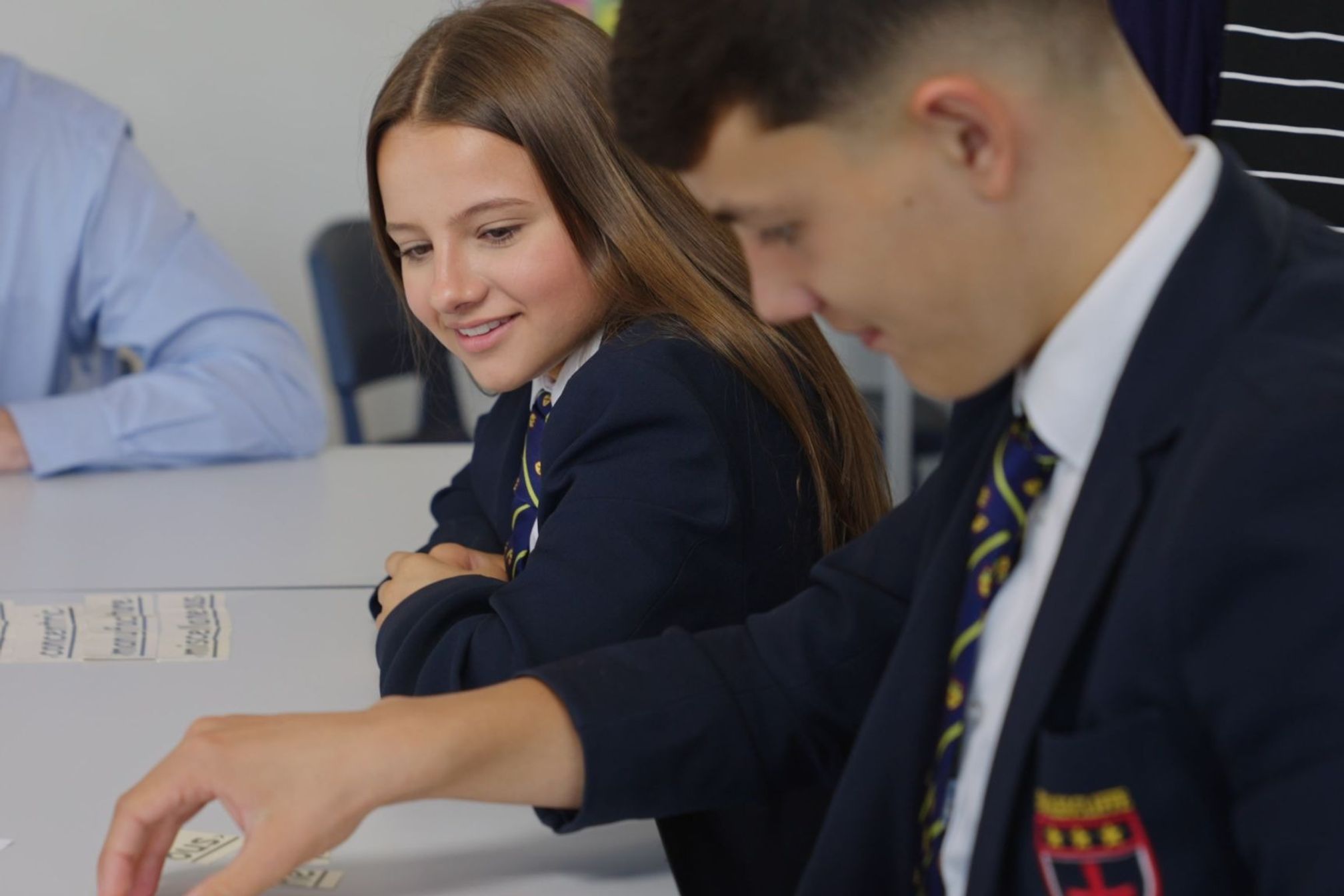
Without a strong foundation in literacy, the bridge between primary and secondary education quickly becomes a cliff edge.
Every summer, we watch Year 6 learners collect their shirts, sign their yearbooks, and prepare for one of the most significant milestones of their young lives. We talk a lot about the pastoral leap, the bigger buildings, the new uniforms, the maze of timetables, but as a sector, we routinely overlook the quiet academic shock that hits them the moment they sit down in a Key Stage 3 classroom.
It isn't just that the work gets harder, it’s that the very language of school changes.
Learners who enter secondary school reading fluently and confidently arrive with a bridge beneath their feet. They can seamlessly analyse a complex science text, debate a historical source, and unpack a multi-step maths problem. They don't just survive, they build strong academic identities. But for the child sitting next to them who struggles with literacy, the experience is entirely different. For them, the transition doesn't feel like crossing a bridge, it feels like falling through a massive gap.
And that gap is almost always reading.
The national data surrounding this transition tells two completely conflicting stories. On one hand, the latest Department for Education figures show that 75% of pupils reached the expected standard in reading at the end of Key Stage 2. On paper, that looks like a triumph and primary schools have worked miracles to get three-quarters of their cohorts over the line.
But look closer, and the fault lines appear.
First, that means one in four children is walking through a secondary school gate already reading below age-related expectations. In areas of high deprivation, that ratio worsens dramatically. Second, passing a SATS reading test in May doesn't automatically create a lifelong reader by September. The National Literacy Trust recently revealed that independent reading enjoyment has plummeted to a historic low, with only 34.6% of children aged 8 to 18 enjoying reading in their free time.
Crucially, their research shows that this enjoyment drops most sharply between the ages of 11 and 14. Just as the academic texts in secondary school demand more stamina, learners are reading less than ever before outside of the classroom.
When a learner enters Year 7 unable to decode confidently, read fluently, or comprehend complex language, they aren't just slightly behind, they are effectively locked out of the curriculum. In primary school, teachers are masters of scaffolding access to text, but in secondary school, due to the sheer volume of content that needs to be taught, we often move incredibly fast and unconsciously assume that reading is secure.
This is exactly where the bridge begins to crumble, and the disadvantage divide widens.
Learners from low-income backgrounds are statistically more likely to leave primary school without secure reading fluency. When they arrive in KS3, if a school relies solely on historic SATs scores rather than routinely diagnosing decoding or fluency flaws, we end up treating the symptoms rather than the root cause. We put children into broad ‘comprehension’ interventions, forgetting what literacy expert Dr. Tim Rasinski famously noted: fluency is the bridge to comprehension. Therefore, if the foundation of decoding doesn't exist, comprehension cannot happen.
We cannot expect learners to walk across a bridge when they don't have a secure footing. This is a shared responsibility that primary and secondary schools must address directly and urgently, long before these reading gaps turn into lower sets, fractured confidence, and missed GCSE passes.
Translating Research Into Action: The Transition Toolkit
So what can we do? Well, first and foremost we have to stop waiting until the bridge is entirely broken before we act. If we want to close the attainment gap, particularly for disadvantaged pupils, we must stop viewing reading as the sole domain of the English department and start viewing it as a cross-curricular priority. Admittedly, this is improving in pockets across the country, but unfortunately it still exists.
To support you in bridging this gap, we have built a comprehensive teaching & learning guide to the Year 6-7 literacy transition. This downloadable resource moves away from theory and instead hands school leaders and classroom teachers a practical, everyday framework aligned with a modern, structured Graduated Approach (Tiers 1–4).

The centerpiece of the toolkit is our new Simplified Disciplinary Literacy Matrix. Instead of asking teachers to lower the complexity of their subject texts, the matrix provides quick, practical verbal prompts for eight different subject areas, including Science, History, Maths, Geography, PE, DT, Art, and RE, to guide exactly how a vulnerable learner's eyes process a page.
By pairing these Tier 1 adaptive classroom prompts with whole-class vocabulary tools like Lexonic Wordology, which allows teachers to project morphological word breakdowns directly onto their whiteboards, we can natively adapt our delivery to stop vocabulary barriers before they take root.
Furthermore, the toolkit outlines a clear, data-driven pathway for school-led interventions, ensuring that if a learner requires external specialist provision, your team has the exact diagnostic data needed to secure a successful referral.
The transition to secondary school shouldn't be an academic cliff edge. By prioritising the mechanics of reading throughout this crucial final half-term and into the autumn, we don't just prepare learners to cope, we empower them to thrive.
Let's build the bridge early, plank by plank, with strong, fluent reading at its core.
Build the bridge. Close the gap. Let them run.
Ready to empower learners? Start your new literacy journey today.
Equip learners with essential reading skills and a rich vocabulary for lifelong success.