Case Study
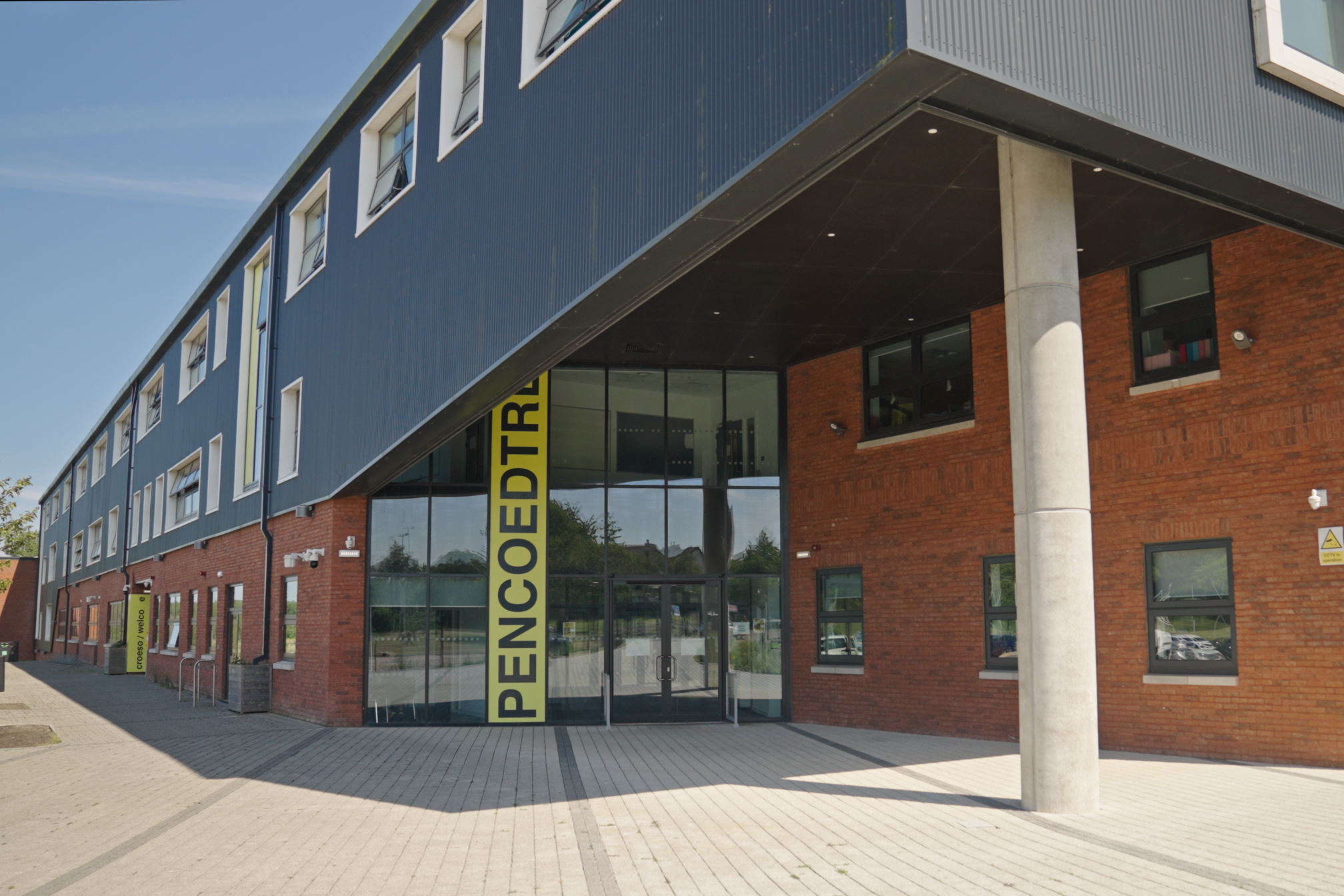
Pencoedtre High School

Our challenge: if you can’t read, you can’t learn
Pencoedtre High School is a seven-form entry secondary school in Barry, Wales, with around 900 students on roll. We have a higher-than-average FSM rate of 39.5%, with 16.9% of students having Additional Learning Needs and 2.5% EAL learners.
At Pencoedtre, we recognise that reading unlocks every subject. If pupils can’t read confidently, they’re going to struggle to access the curriculum, whether that’s understanding a history text, tackling prescribed texts in English or getting to grips with unfamiliar vocabulary in another subject.
Our average reading age in Year 7 was around eight years old, with some pupils arriving with reading ages of just six or seven.
When we looked more closely at the gaps, we realised that some pupils couldn’t recognise all the letters of the alphabet or sound out graphemes and phonemes. There was lots of good work already and we wanted to build on this through a more coordinated strategy focused on the specific reading difficulties our pupils faced.
We needed to understand exactly where those gaps were and find an intervention that would work for our pupils and our staff.
Our approach: getting forensic about reading gaps
Working with Lexonic has helped us take a much more diagnostic approach to literacy.
Using Leap’s diagnostic assessment, we can uncover exactly where the gaps are for each pupil and pinpoint the right interventions. Sometimes we find a whole group of pupils who have missed the same block of learning. For another pupil, it might be just a few sounds that, once addressed, put them in a much better position.
That ability to target specific gaps is what makes the difference. Building on existing support, we can identify what a pupil needs, address it and use the data to see the impact.
As secondary teachers, our expertise is generally centred on helping pupils take meaning from texts and refining existing reading skills. Specialist phonics teaching, including segmenting and blending, wasn’t necessarily part of our training or our delivery. Lexonic has helped us develop this expertise so that we can explicitly teach the foundational skills some pupils still need.
It’s also helped us bring the work we were already doing together into a much more cohesive literacy strategy.
Beyond intervention: building staff expertise and confidence
We firmly believe that if something is important, we’ll make the time and build the capacity to do it. Literacy is incredibly important to us, so we’ve invested in dedicated leadership for skills and literacy, with Elise Clarke taking on responsibility for leading this work.
We’ve also delivered professional learning sessions, including twilight and in-service training, to raise the profile of reading and help our teachers understand how to teach it effectively.
This professional learning builds on staff’s existing expertise, strengthening their understandings of how to teach foundational reading skills alongside the comprehension and subject-specific reading strategies they already develop in lessons.
Lexonic has given us a clear framework to work from, so our teachers and learning support assistants know what they’re doing, why they’re doing it and how it’s going to help pupils.
We don't want interventions that simply feel good because we're doing something. We want interventions that have an impact, and the data to show that a pupil has moved from where they were to where they are now.
Just as importantly, the skills pupils develop through intervention need to transfer straight back into the classroom, helping them with the reading they need to do well in their lessons.
Embedding vocabulary across the curriculum with Wordology
Alongside targeted reading intervention, we’re using Wordology to help us embed vocabulary teaching and disciplinary literacy across the curriculum.
We’re focusing on the academic and more sophisticated vocabulary our students encounter across secondary education. Rather than simply giving pupils a definition, we’re teaching them to break words down, looking at the stem, prefix and suffix and identifying patterns in words they might have seen before.
Wordology makes this much easier for our teachers. It allows us to take a deep dive into a word's meaning and structure, helping pupils build familiarity with word patterns so they can begin to anticipate what an unfamiliar word might mean.
Our teachers can create their own subject-specific word banks and teach pupils how to break words down. And the best bit is that the work is done for you, saving classroom teachers time when students come across unfamiliar words.
We're embedding these strategies across different subject areas, so pupils see the same approaches in different lessons and begin to understand how transferable their skills are.
We're starting to see how connected all our subjects really are to reading. It's not just something that happens in English; it's a skill that helps unlock learning across the whole curriculum.
The impact: measurable progress and growing confidence
We’ve seen a remarkable improvement in our literacy data.
Following a six-week intervention cycle, we’ve seen a 27-month improvement in reading-age outcomes. We’re also seeing improvements in reading fluency and confidence, and a shift in how pupils approach reading.
We're seeing more pupils volunteering to read in class, having a go at difficult texts and being more comfortable with making mistakes. Rather than avoiding unfamiliar words, they're starting to ask what they mean and how to pronounce them.
For us, that change in confidence is just as important as the data. We want pupils to enjoy reading, embrace the challenge of a difficult text and recognise that it's OK to make mistakes because that's how we learn.
One of the most rewarding things is seeing pupils who previously lacked confidence start putting their hands up in class because they know the answer. They're beginning to realise that they can do the work and that reading doesn't have to be a barrier to their learning.
We've also seen the impact on our staff. Elise has developed and coordinated a more cohesive approach to literacy provision, drawing on specialist training and diagnostic information to identify pupils’ needs, organise targeted support and guide colleagues. The opportunity to apply this expertise, support colleagues and lead the development of provision has strengthened her confidence as a leader.
Looking ahead: making literacy a continuous journey
We know that the sooner we address reading difficulties, the better. When pupils arrive in Year 7 without the reading skills they need, they can suddenly find themselves struggling to access history, English and other subjects. That can have a real impact on their confidence and enjoyment of school.
That's why we’ve worked hard to establish relationships with colleagues in our cluster primary schools, supported by our investment in Lexonic training for primary colleagues.
We want transition to be a whole journey, rather than just one day in the school calendar. By inviting key Pencoedtre staff to attend sessions in primary settings, we’re building working relationships that benefit both teachers and pupils. Pupils have the opportunity to meet secondary staff before joining us, helping them feel more comfortable about the move while work to address their reading gaps is already underway.
Our aim is to build capacity across our cluster so that pupils experience a more consistent approach to reading and arrive at secondary school better equipped to access the curriculum.
Why we recommend working with Lexonic
For us, Lexonic brings together the specialist expertise, structured interventions and data we need to make a genuine difference to our pupils.
It’s helped us identify exactly where reading gaps exist, pinpoint the right support and give our staff the confidence to teach reading more effectively. It’s also given us a way to measure impact and demonstrate progress to pupils, parents, governors and other stakeholders.
But the key thing for us is that it isn't just about intervening with pupils. You have to upskill your staff as well. If teachers can see that the approach is making a difference, they buy into it, and those skills can then be embedded across the school.
We would absolutely recommend Lexonic to other schools. It works for pupils, it supports professional learning for staff, and it gives us the evidence we need to understand whether we're making a difference.
Reading is too important to get wrong. We need to get it right for every pupil.
Amy Walters-Bresner – Deputy Head Teacher.
Want to find out more?
If you're looking to strengthen literacy in your school, contact Lexonic at enquiries@lexonic.org to discuss your students' needs and explore how our intervention programmes could support your approach.
Ready to empower learners? Start your new literacy journey today.
Equip learners with essential reading skills and a rich vocabulary for lifelong success.